Bihar, Gujarat, and Andhra Pradesh Face Challenges in Reducing Fuel VAT Due to High Oil Tax Revenue Dependence
India's States Face Fiscal Challenge in Reducing VAT on Petrol and Diesel
As global oil prices continue to rise, policymakers in India are weighing options to soften the impact of higher pump prices on consumers. However, states such as Bihar, Gujarat, and Andhra Pradesh face limited fiscal room to reduce value-added tax (VAT) on petrol and diesel, as taxes on petroleum products account for a substantial share of their tax revenues.
According to a Moneycontrol analysis, Bihar is the most exposed among major states, with VAT on petroleum products contributing 18.9 percent of its own tax revenue. This is followed closely by Assam (17.7 percent), Jharkhand (16.9 percent), Andhra Pradesh (16.8 percent), and Gujarat (16.7 percent). Other states with a high dependence on petroleum VAT include Odisha (16.3 percent), Madhya Pradesh (15.9 percent), and Rajasthan (15.7 percent).
In contrast, larger and more diversified economies rely less heavily on fuel taxes. Delhi derives only 7.8 percent of its own tax revenue from petroleum VAT, the second-lowest share after Arunachal Pradesh (7.1 percent). Maharashtra, which collects the highest absolute amount of petroleum VAT at Rs 36,992 crore, depends on it for only 10.1 percent of its own tax revenues.
Read also: Treasury Yields Experience Largest Increase in Two Weeks Following Release of Labor Market Data
| State | Petroleum VAT as % of Own Tax Revenue |
|---|---|
| Arunachal Pradesh | 7.1% |
| Delhi | 7.8% |
| Maharashtra | 10.1% |
| Bihar | 18.9% |
| Assam | 17.7% |
| Jharkhand | 16.9% |
| Andhra Pradesh | 16.8% |
| Gujarat | 16.7% |
Across India, petroleum VAT accounts for an average of 13.5 per cent of states' own tax revenue, implying that roughly one in every seven rupees collected by states comes from fuel taxes. In absolute terms, Uttar Pradesh collected Rs 31,214 crore from petroleum VAT in 2024–25, second only to Maharashtra. Tamil Nadu and Gujarat mobilised Rs 24,861 crore and Rs 24,586 crore, respectively, while Karnataka collected Rs 23,428 crore.
The contrast between dependency and scale is particularly striking in Bihar. Although the state collected only Rs 10,275 crore from petroleum VAT—far less than Maharashtra—its narrower tax base means fuel taxes account for nearly one-fifth of its own revenues, making any tax cut significantly harder to absorb.
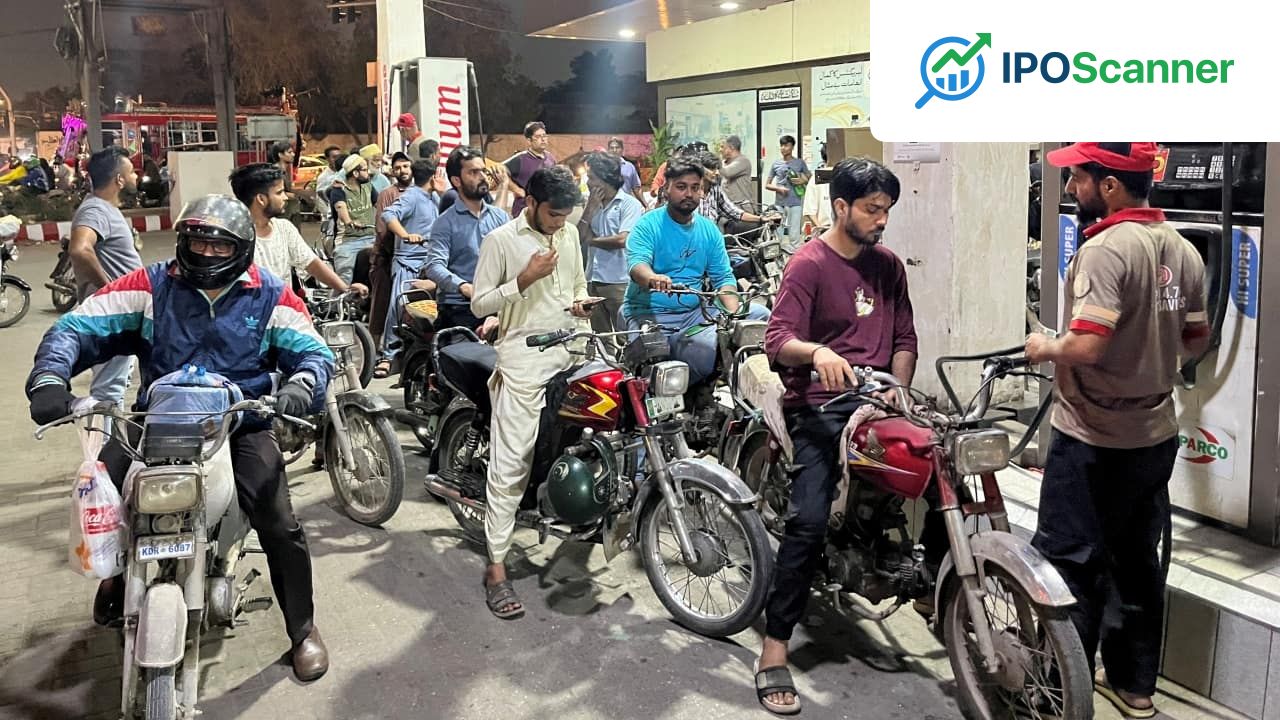
The oil marketing companies have already passed through part of the global oil shock to consumers. Petrol prices were raised by Rs 3 per litre last week, followed by another 87 paise increase on May 19, as state-run oil marketing companies sought to reduce mounting under-recoveries. With global crude prices still elevated and geopolitical tensions in West Asia threatening further increases, the willingness and ability of state governments to reduce VAT may become a crucial factor in determining how much of the global energy shock is ultimately borne by Indian consumers.
Read also: US-Iran Tensions Spark Uptick in Oil Prices Amid Global Market Decline
Investor Takeaway
States with high dependence on fuel tax revenue may struggle to reduce VAT on petrol and diesel to cushion consumers from rising global oil prices.
More in Economy

Treasury Yields Experience Largest Increase in Two Weeks Following Release of Labor Market Data

US-Iran Tensions Spark Uptick in Oil Prices Amid Global Market Decline

MoSPI Releases Uniform Norms for DDP Estimates with 2022-23 Base Year

