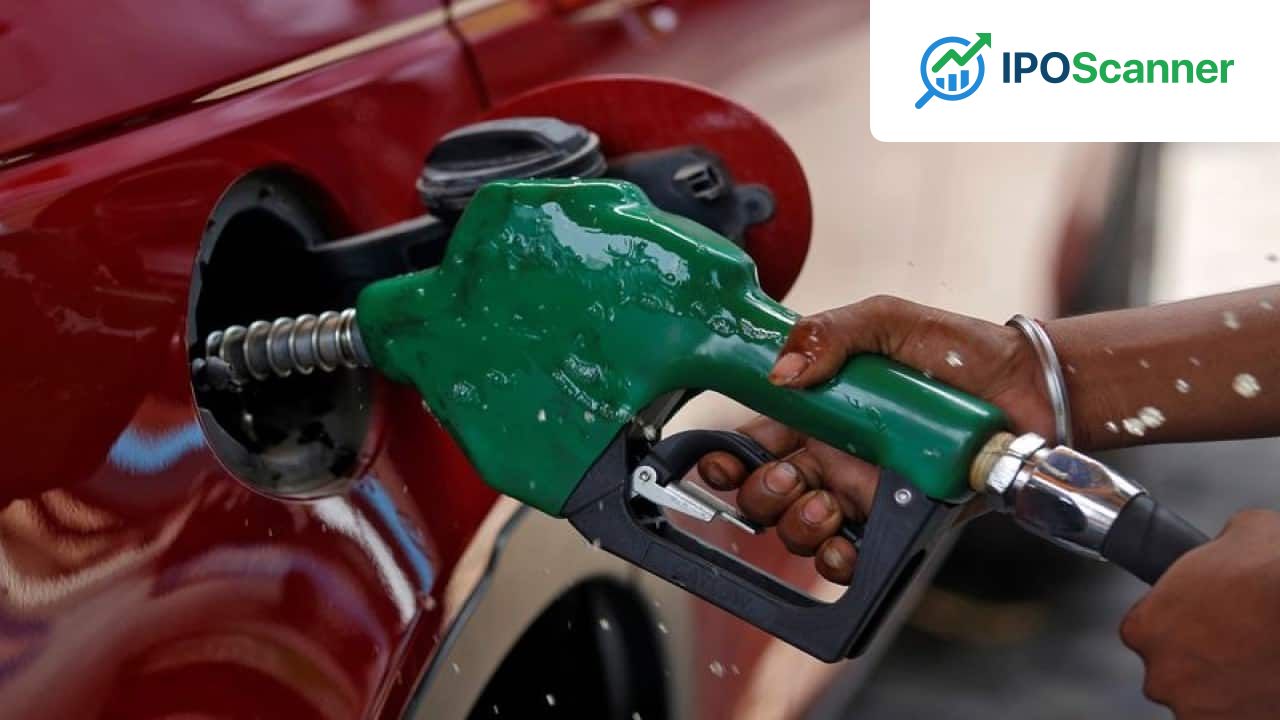
Bernstein Analyst Warns Recent Fuel Price Hikes May Not Be Sufficient Amid Crude Price Shock for India
India Braces for Further Fuel Price Hikes and Austerity Measures
India may need to implement further fuel price hikes and broader austerity-style measures if elevated crude oil prices persist, according to a recent strategy note by Bernstein. The brokerage, led by Venugopal Garre, warns that recent increases in petrol and diesel prices may not be enough to shield the economy from worsening external-sector stress.
The report estimates that pump prices may still need to rise another Rs 11-12 per litre even if crude moderates to $100 a barrel. Additionally, the possibility of tighter work-from-home mandates and stricter overseas spending norms aimed at conserving forex reserves is flagged as a potential measure to mitigate the impact of rising oil prices.
India's External Position Under Pressure
Read also: Treasury Yields Experience Largest Increase in Two Weeks Following Release of Labor Market Data
India's import cover has fallen to 9.2 months, below long-term averages and the weakest since the 2013 episode. Elevated crude prices, rising fertilizer import needs, and pressure on the rupee have worsened the country's external balances. The government's recent fuel price hikes of roughly Rs 3.9 per litre cover only about 25% of estimated losses faced by oil marketing companies at prevailing crude levels.
| Fuel Price Hike | Estimated Losses Covered | Remaining Losses |
|---|---|---|
| Rs 3.9 per litre | 25% | 75% |
The report suggests that policymakers may have largely "ring-fenced" the economy from the full impact of the oil shock since the geopolitical conflict began, but the adjustment phase may now be catching up with the economy.
Policy Trade-Offs Ahead
Read also: US-Iran Tensions Spark Uptick in Oil Prices Amid Global Market Decline
The analysts warn that policymakers may increasingly prioritise forex preservation and food security if crude prices remain elevated through the summer months. Bernstein flags the possibility of tighter rules under the Liberalised Remittance Scheme (LRS), including higher tax collected at source (TCS), lower remittance thresholds, and stricter scrutiny of overseas spending.
The brokerage also suggests that stricter work-from-home mandates could emerge as a fuel-conservation measure, especially if policymakers attempt to reduce discretionary fuel consumption while preserving essential imports. Furthermore, India may eventually have to prioritise fertilizer and food-related imports over discretionary consumption if crude prices remain elevated and monsoon risks intensify.
Markets and Monetary Policy
For markets, Bernstein warns that expectations of further RBI rate cuts could now be at risk, with fuel inflation and weak monsoon concerns threatening to push inflationary pressures higher in the coming months. The brokerage says the oil shock could complicate the central bank's policy path and potentially revive concerns around tighter monetary conditions after markets had begun pricing in a softer rate environment.
External Position Vulnerabilities
The report also flags vulnerabilities in India's external position, pointing to the RBI's sizeable short forward dollar book of nearly $78 billion, including about $28.5 billion due within 12 months. Bernstein says the combination of rising oil imports, weaker reserve buffers, and persistent dollar demand could keep pressure on the rupee and external financing conditions.
Government Response
The report notes that several policy measures already announced by the government indicate that authorities have begun responding more aggressively to the crude shock. These include recent fuel price hikes, restrictions on sugar exports, RBI measures on non-deliverable forward positions, and public messaging around reducing foreign travel and gold consumption.
Sectoral Impact
A renewed push toward work-from-home arrangements could weigh on commercial real estate, retail, and restaurant demand, while telecom and broadband providers may emerge as relative beneficiaries due to higher data consumption and remote-work usage trends.
Despite the warning signals, Bernstein notes that India's macro position remains structurally stronger than during the 2013 taper tantrum period due to higher reserves, better banking system stability, and stronger domestic demand. However, the brokerage cautions that prolonged elevated crude prices could still force policymakers into tougher trade-offs between growth, inflation, and external stability in the months ahead.
Investor Takeaway
Investors should be prepared for potential further fuel price hikes and austerity measures if crude oil prices persist.
More in Economy

Treasury Yields Experience Largest Increase in Two Weeks Following Release of Labor Market Data

US-Iran Tensions Spark Uptick in Oil Prices Amid Global Market Decline

MoSPI Releases Uniform Norms for DDP Estimates with 2022-23 Base Year

