Bengaluru Leader Seeks Reversal of Electric Vehicle Lifetime Tax in Karnataka
Karnataka's Electric Vehicle Tax Policy Draws Criticism from BJP Leader
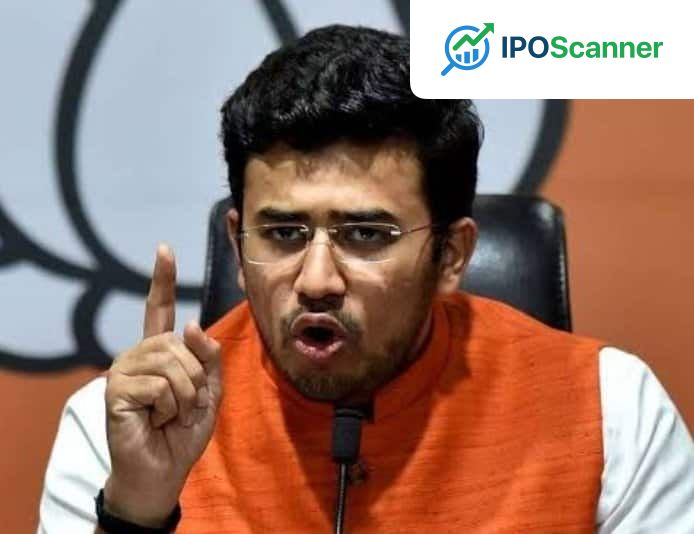
Bengaluru South MP and Bharatiya Janata Party leader Tejasvi Surya has written to Karnataka Chief Minister Siddaramaiah, expressing concern over the state government's decision to introduce a lifetime tax on electric vehicles (EVs). In a letter dated April 13, Surya argued that the move is "regressive" and goes against public interest.
The Karnataka government had notified the Karnataka Motor Vehicles Taxation (Amendment) Act, 2026, on April 10, which received the Governor's assent on April 9. The amendment withdraws tax exemptions for EVs, including electric cars, jeeps, omni buses, and private service vehicles running on electricity. The state had previously offered a 100 percent road tax exemption for battery-operated vehicles (BOVs), but this has now been withdrawn.
Contrary to National Priorities
Read also: Treasury Yields Experience Largest Increase in Two Weeks Following Release of Labor Market Data
Surya pointed out that the move runs counter to India's broader push towards sustainable mobility. He highlighted initiatives such as FAME I and II, PM E-Drive, and the production-linked incentive (PLI) scheme aimed at strengthening EV manufacturing and adoption. The imposition of a lifetime tax on EVs, which effectively discourages their adoption, is contrary to national priorities, Surya said.
According to the letter, the withdrawal of tax exemptions and the introduction of a lifetime tax are expected to generate around Rs 250 crore in additional revenue for the state. However, Surya argued that raising revenue through such measures is not in the public interest and could adversely impact consumers as well as the EV industry.
Comparison with Other States
The BJP MP contrasted Karnataka's move with policies in states such as Delhi, which continue to promote EV adoption through incentives. Delhi offers road tax waivers for electric cars priced below Rs 30 lakh, incentives for electric goods vehicles, and mandates for EV adoption in government fleets. This is in contrast to Karnataka, which appears to be moving in the opposite direction.
Read also: US-Iran Tensions Spark Uptick in Oil Prices Amid Global Market Decline
| State | Road Tax Waiver for Electric Cars (Rs) | Incentives for Electric Goods Vehicles | EV Adoption Mandate in Government Fleets |
|---|---|---|---|
| Delhi | Up to Rs 30 lakh | Yes | Yes |
| Karnataka | No waiver | No incentives | No mandate |
Call for Policy Review
Surya urged the Chief Minister to review the policy "with utmost urgency" and reconsider the withdrawal of EV tax exemptions. He called for a "growth-oriented and citizen-centric approach" that supports environmental goals and long-term economic development. The BJP leader's criticism has been echoed by other party members, including Karnataka BJP president BY Vijayendra, who said the move would make EVs costlier and hurt the state's clean mobility progress.
Investor Takeaway
The potential introduction of a lifetime tax on electric vehicles in Karnataka may discourage EV adoption and slow the growth of the electric mobility ecosystem in the state.
More in Economy

Treasury Yields Experience Largest Increase in Two Weeks Following Release of Labor Market Data

US-Iran Tensions Spark Uptick in Oil Prices Amid Global Market Decline

MoSPI Releases Uniform Norms for DDP Estimates with 2022-23 Base Year

