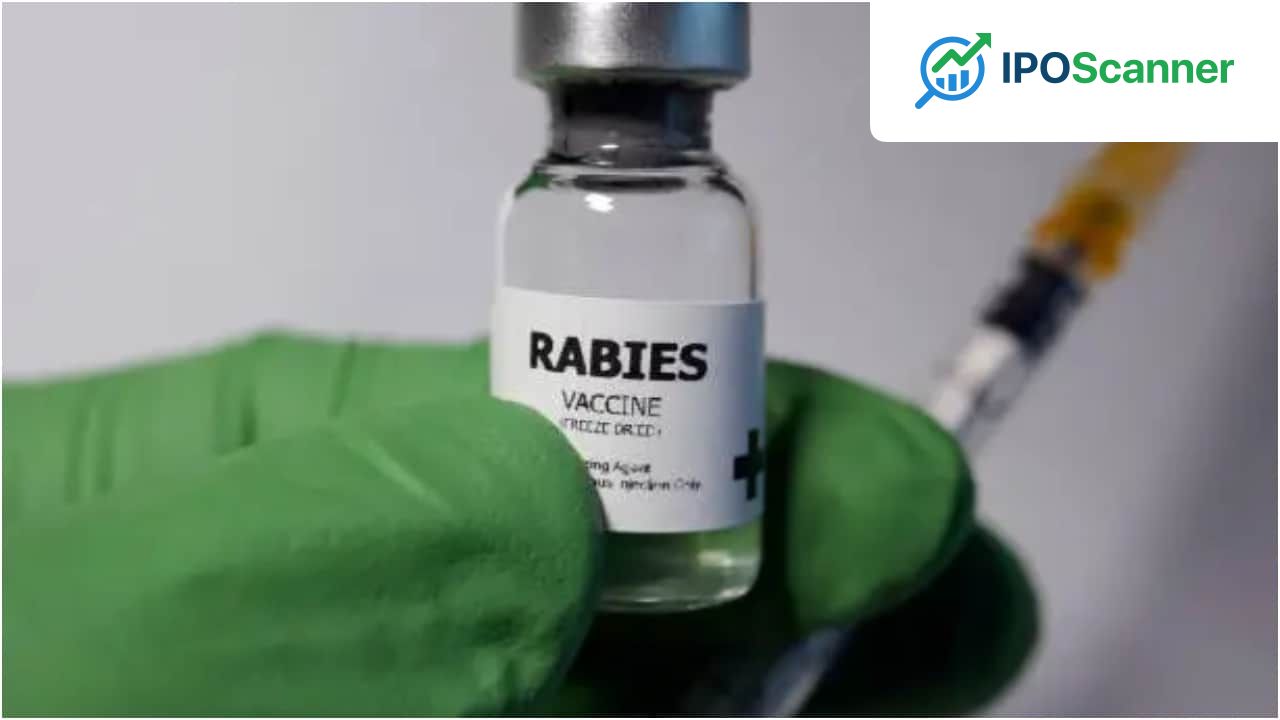
Bengaluru CEO's Rapid Rabies Treatment Highlights India's Healthcare Advantages Over the US
India's Healthcare System Praised for Quick Response to Rabies Vaccination
A social media post by Siddharth Dialani, the founder of BharatAgri, has sparked an online discussion after he shared his experience of receiving a rabies vaccination within minutes in Bengaluru, India. The post contrasted his experience with that of a friend in the United States, who faced difficulties after being bitten by a stray dog.
According to Dialani, the incident occurred after he was bitten by a pet dog at a friend's residence in Koramangala, a neighborhood in Bengaluru. Despite being informed that the animal had been vaccinated, he chose to seek medical attention as a precautionary measure. He traveled to a nearby healthcare center in Koramangala, located roughly one kilometer from his home, where he was able to receive a rabies injection without a prior appointment.
Dialani's experience was described as "peak healthcare," suggesting that the ability to access immediate treatment at a nearby facility is often overlooked. He credited Clinikk, a company that runs many healthcare centers in Bangalore, for providing the walk-in rabies vaccine.
Read also: Treasury Yields Experience Largest Increase in Two Weeks Following Release of Labor Market Data
A comparison between Dialani's experience and that of his friend in San Francisco quickly drew responses from other users. Many questioned the broader implications of his remarks, highlighting structural differences between healthcare systems and the ease of accessing services in urban neighborhoods.
Comparison of Healthcare Experiences
| Location | Experience |
|---|---|
| Bengaluru, India | Received rabies vaccination within minutes at a nearby healthcare center |
| San Francisco, USA | Faced difficulties finding rabies vaccine in 10 miles radius |
One user pointed out that the ease of accessing services in urban neighborhoods such as Koramangala does not reflect conditions across the country. "Getting anything in Koramangala is very easy. When this happens in 65% of the population living in rural areas who still struggle to get basic medical facilities, it's not really a win," the comment read.
Read also: US-Iran Tensions Spark Uptick in Oil Prices Amid Global Market Decline
Others highlighted the fact that the United States has largely eliminated dog-to-human rabies transmission, which affects how widely vaccines are stocked. "Well, did you ask yourself why that could be? That is because the US has eliminated dog-to-human rabies transmission," one user wrote.
Several users supported Dialani's observations, arguing that access to basic medical services in Indian cities remains a significant advantage. One comment read, "India's healthcare infrastructure really is the dark horse here. Walk-in rabies vaccine in 10 mins vs your friend searching hospitals in the richest country on earth. We've actually solved the access problem. Just haven't marketed it well enough."
A further response emphasized a sense of appreciation, noting, "Very nicely presented. Yes, we really don't take pride in our country. Though there are things to be fixed, still we need to cherish what we have developed as a nation so far, and if some accountability and humanity is there in each individual, things will get even better soon."
More in Economy

Treasury Yields Experience Largest Increase in Two Weeks Following Release of Labor Market Data

US-Iran Tensions Spark Uptick in Oil Prices Amid Global Market Decline

MoSPI Releases Uniform Norms for DDP Estimates with 2022-23 Base Year

