Assessing the Strategic Impact of the Strait of Hormuz Blockade Under Donald Trump's Presidency
US-Iran War: Strait of Hormuz Blockade May Impact Russia, China, but Experts Disagree on Effectiveness
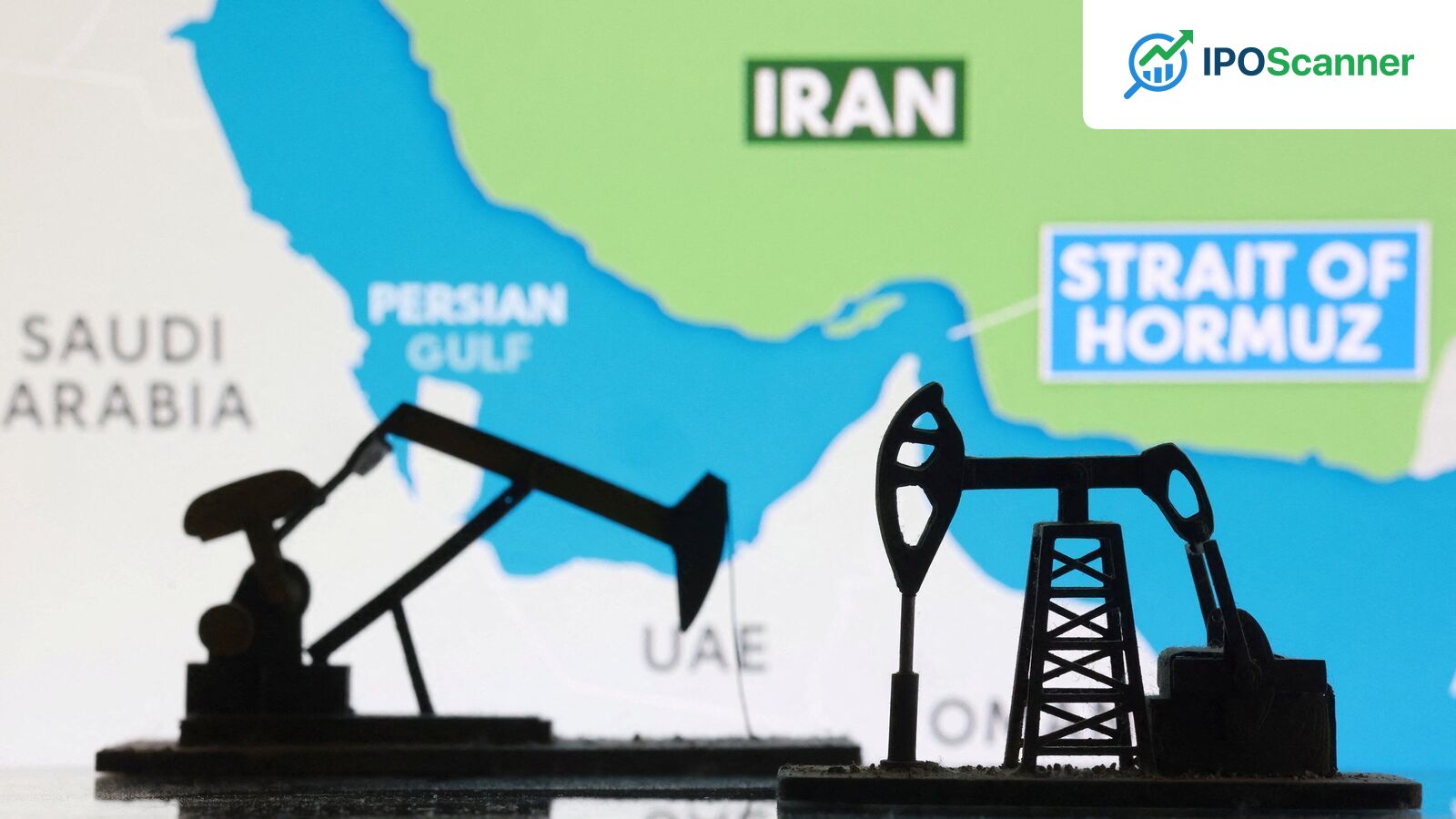
The Strait of Hormuz was reopened on Friday after a ceasefire in Lebanon, boosting hopes of a ceasefire in the US-Iran war. However, US President Donald Trump has yet to make any statement on the Strait of Hormuz blockade, which remains in force. According to Trump, Iran had agreed to never again shut the Strait of Hormuz. He also vowed to bring Iran's uranium back home to the USA.
Impact on Russia and China
The effectiveness of the blockade of the Strait of Hormuz was evaluated by experts, who considered its direct impact on Russia, China, and their allied nations. From the Russian perspective, both countries can use the hassle-free Caspian Sea route. However, from the Chinese perspective, the blockade will have a direct impact on the Chinese crude oil imports from Iran because Beijing contributes around 90% of the Iranian oil export.
Read also: Treasury Yields Experience Largest Increase in Two Weeks Following Release of Labor Market Data
| Country | Percentage of Iranian Oil Export |
|---|---|
| China | 90% |
| Other countries | 10% |
According to Avinash Gorakshkar, a SEBI-registered fundamental equity analyst, the blockade will have a direct impact on the Chinese crude oil imports from Iran. Echoing his views, Nitant Darekar, Research Analyst at Bonanza, said that Trump's idea of the Strait of Hormuz blockade has a structural hole – Iran's three Caspian ports remain untouched, giving Russia a backdoor that renders the blockade more theatre than tourniquet.
The Caspian Sea Route
However, Amit Goel, Chief Global Strategist at PACE 360, believes the Strait of Hormuz blockade will affect both Russia and China. He called this US administration's move a 'master class' because it will bring two major geopolitical players into peace talks. According to Goel, the Caspian Sea route is not viable because most of Iran's oil infrastructure is in and around Kharg, near the Strait of Hormuz. Using the road logistics to depart oil tankers from the Caspian Sea route does not look possible in the current scenario, as the US satellites would catch those oil tankers, and either the US or Israel's missiles may strike them mid-way.
Read also: US-Iran Tensions Spark Uptick in Oil Prices Amid Global Market Decline
China's Connection in Trump's Call to Narendra Modi
Amit Goel of PACE 360 said that the US President Donald Trump's call to the Indian Prime Minister Narendra Modi after the failure of the US-Iran ceasefire talks in Islamabad can be seen from two angles: one from the geopolitical set-up in SAARC, the other is the extension of the blockade in the Indian peninsula. According to Goel, Trump's call came before the announcement of the blockade, so it is likely that the two leaders discussed the sea route through the Malacca Strait.
India's Role in the Blockade
The Strait of Malacca remains a critical energy lifeline for Beijing, with a significant share of its crude imports passing through this narrow chokepoint – often described as China’s long-standing Malacca dilemma. This is where India’s geography becomes strategically relevant. The Andaman and Nicobar Islands provide India with a natural vantage point near the western entrance of Malacca, strengthening its ability to monitor and potentially influence maritime traffic in a conflict scenario, said Ponmudi R, CEO of Enrich Money.
Conclusion
All the experts believe that the blockade of the Strait of Hormuz is quite effective, and a final conclusion in the US-Iran ceasefire can be expected in the next few weeks.
More in Economy

Treasury Yields Experience Largest Increase in Two Weeks Following Release of Labor Market Data

US-Iran Tensions Spark Uptick in Oil Prices Amid Global Market Decline

MoSPI Releases Uniform Norms for DDP Estimates with 2022-23 Base Year

