Asian Stocks Poised to Decline, Oil Prices Remain Stable
Global Markets Edge Lower Amid AI Pullback and Middle East Tensions
Stocks in Asia were set to decline on Friday as investors grappled with a pullback in artificial-intelligence shares and hopes of a diplomatic resolution to tensions in the Middle East.
Equity-index futures for Japan and South Korea pointed to losses at the open, while those for Hong Kong signaled gains. Contracts for US stocks were lower after investors rotated out of chipmakers and into a broader range of sectors, helping lift the Dow Jones Industrial Average to a record high. The Nasdaq 100 fell 0.5%, recovering from an intraday decline of as much as 1.6%, while the S&P 500 rose 0.4%.
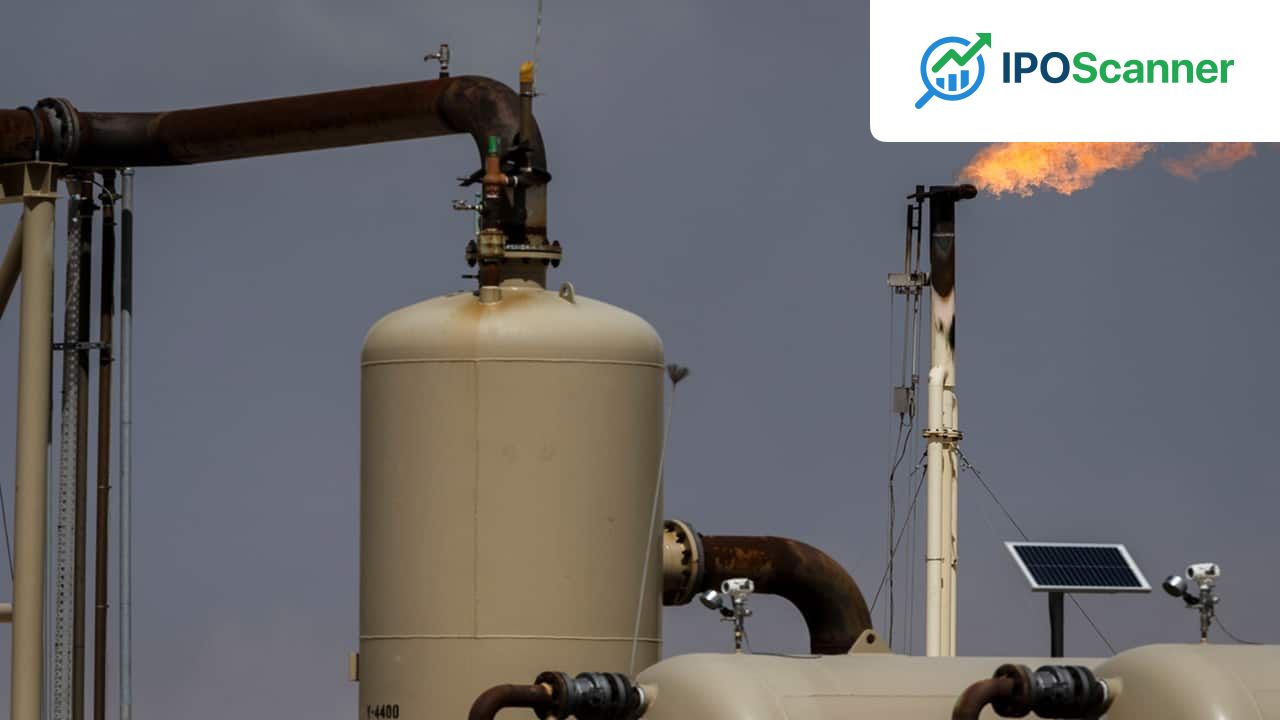
US oil steadied in early Asian trading after falling in the previous session as investors bet the US and Iran were moving closer to a diplomatic breakthrough following a conditional ceasefire between Israel and Lebanon. The optimism came even after Hezbollah's rejection on Thursday of a US-backed truce proposal in Lebanon.
Read also: Vingroup's 1,000% Stock Surge Raises Questions About Vietnam's Market Boom Limits
The blistering run in semiconductor stocks from war-driven lows took a breather as tech giant Broadcom's forecast for sales of AI chips disappointed investors hoping for more. With chipmakers having rallied sharply on optimism around artificial-intelligence spending, some traders used the disappointment as an opportunity to lock in gains and rotate into sectors viewed as better positioned to benefit from a resilient economy.
President Donald Trump said ceasefire talks are in the "final" stages. Earlier, Iran's foreign minister said the negotiations had stalled. On Wednesday, Iran fired missiles and drones at Kuwait and Bahrain, killing one person and injuring dozens at Kuwait's main airport, after the US struck an oil tanker headed to the Islamic Republic.
In Lebanon, Hezbollah militants said they refused to abide by the conditions of a ceasefire announced by the US State Department only hours before. At least eight people were killed in Israeli strikes, according to the Lebanese Health Ministry. And Israel's military said Hezbollah launched several rockets toward its soldiers, with no injuries reported.
Despite the continued fighting, oil prices slipped on Thursday after three days of gains amid investor optimism in the wake of the US announcement of the Lebanon truce deal. Israel's continued military strikes there have become a major obstacle as Trump seeks to extricate the US from the Iran war that he started.
Read also: China's Chip Stock Boom to Reach $900 Billion with Huawei and IPOs.
In Asia, traders will be watching regional currencies after the South Korean won fell to its weakest level since 2009, underscoring the pressure some Asian currencies face as the Iran war drags on. Policymakers are nearing the limits of their currency defenses, with authorities in Indonesia and the Philippines also stepping up efforts to support their exchange rates.
| Country | Currency | Weakest Level Since |
|---|---|---|
| South Korea | South Korean Won | 2009 |
| Indonesia | Indonesian Rupiah | 1997 |
| Philippines | Philippine Peso | 1997 |
Now, traders await the monthly employment report, which will be released on Friday.
"The US/Iran conflict and AI continue to dominate the market narrative," but Friday's jobs report is still very important for markets, said Tom Essaye of the Sevens Report. "A 'too tight' labor market would risk increasing the chances of Fed rate hikes sooner than expected."
Investor Takeaway
Investors should be cautious of market fluctuations and potential losses in Asian stocks.
More in Market

Vingroup's 1,000% Stock Surge Raises Questions About Vietnam's Market Boom Limits

China's Chip Stock Boom to Reach $900 Billion with Huawei and IPOs.

Trade Spotlight: Engineers India, CG Power, Shriram Finance, Aurobindo Pharma, Inventurus Knowledge Solutions, and Others Face Key Market Decisions on June 5