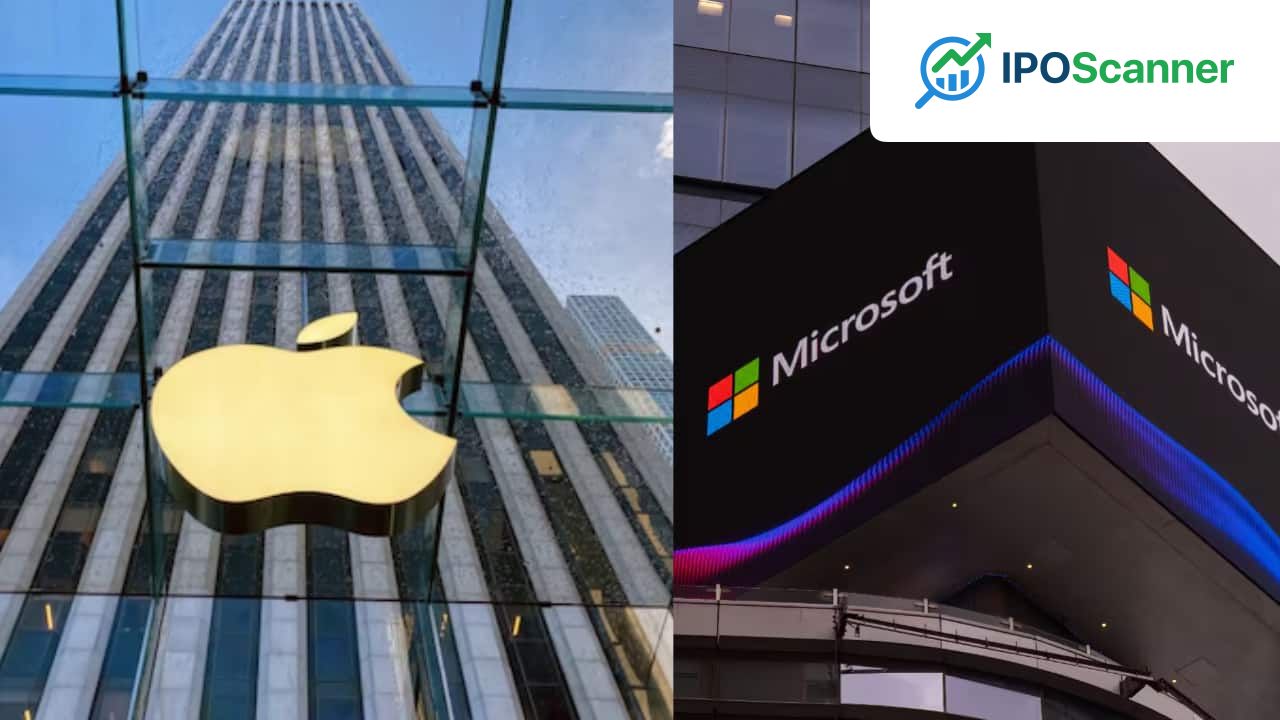
Apple on Brink of Collapse: Microsoft Provides Unlikely Lifeline
Apple on the Brink of Bankruptcy
In 1997, Apple was in a precarious position. The company was hemorrhaging money, struggling with declining market share, and risked running out of options. Some estimates at the time suggested that it would spiral into bankruptcy in a few months.
It was during this tumultuous period that Steve Jobs returned to the company he had initially helped build. Initially brought back as an advisor after Apple acquired NeXT, Jobs quickly moved to take control and began making tough calls to stabilize the business. However, the company needed more than just internal restructuring to turn things around. It needed confidence from the outside world.
That's where Microsoft came in.
Read also: Treasury Yields Experience Largest Increase in Two Weeks Following Release of Labor Market Data
In August 1997, at Apple's Macworld conference, Jobs announced a surprising partnership with Microsoft. Microsoft would invest $150 million in Apple by purchasing non-voting shares. At the same time, it committed to continuing development of Microsoft Office for Mac for at least five years.
| Investment | Duration | Entity Involved |
|---|---|---|
| $150 million | 5 years | Microsoft |
The announcement came as a surprise for many. At the time, Microsoft and Apple were seen as direct rivals, so the idea of one stepping in to support the other wasn't something many expected. However, the message behind the deal was clear. It told the market that Apple wasn't about to disappear and that a major player still believed it was worth backing.
For Apple, the impact was almost immediate. The investment gave it some breathing room at a time when cash was tight, but just as importantly, Microsoft's commitment to keep Office running on Mac reassured users who depended on it. This helped steady confidence in the platform when it mattered most.
Read also: US-Iran Tensions Spark Uptick in Oil Prices Amid Global Market Decline
For Microsoft, the move wasn't just goodwill. Keeping Apple in the game meant the personal computing market stayed competitive, which was important at a time when Microsoft itself was facing increasing antitrust pressure in the US.
Of course, the deal wasn't a magic fix. Apple still had to clean up its product lineup, cut costs, and rethink how it operated. But what it did get was time, and that made all the difference.
Over the next few years, things started to shift. Apple gradually got back on track, first with the iMac, then the iPod, and eventually the iPhone, which completely changed the company's trajectory.
Looking back, the 1997 deal stands out as a rare moment in tech history, where help from a rival quietly played a part in one of the biggest comebacks the industry has seen.
Investor Takeaway
Investors should consider the potential for partnerships and collaborations to turn around struggling companies.
More in Market

Treasury Yields Experience Largest Increase in Two Weeks Following Release of Labor Market Data

US-Iran Tensions Spark Uptick in Oil Prices Amid Global Market Decline

Indian Stocks to Watch: BHEL, Agarwal Industrial, JBM Auto, Rajesh Exports, Indian Energy Exchange, Lenskart Solutions in Market Focus on June 4.