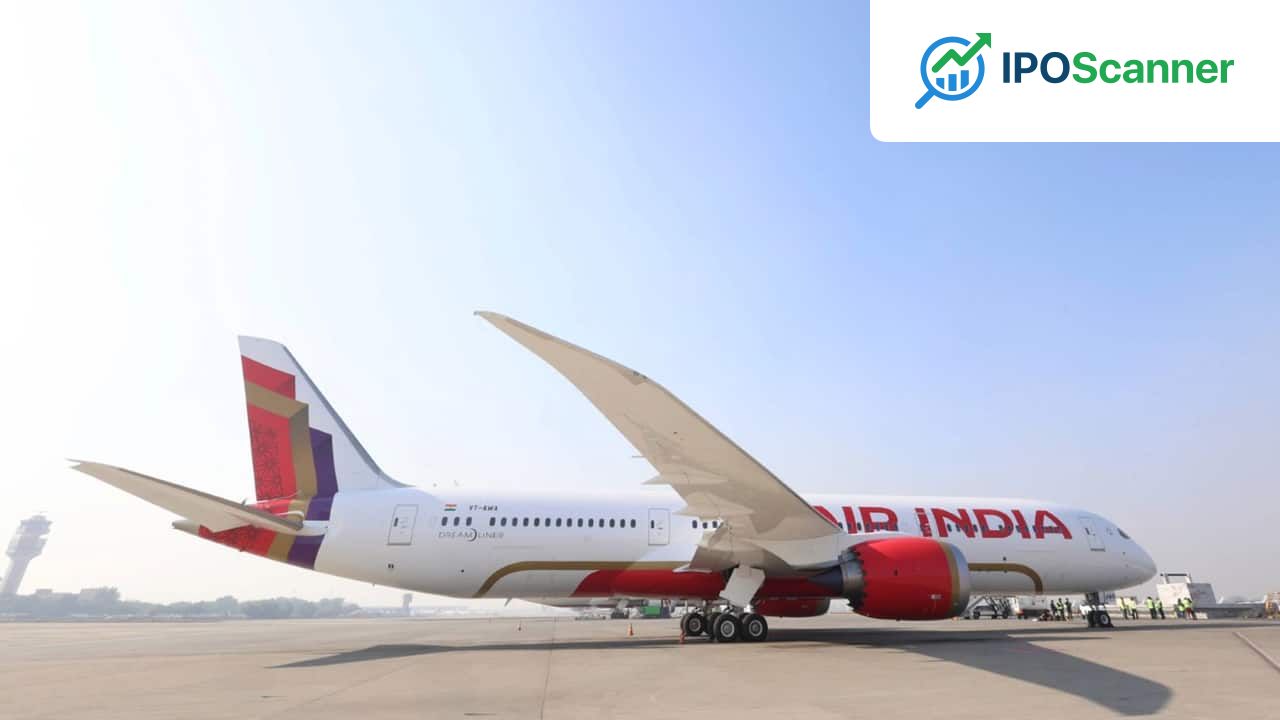
Air India Restricts International Services Until July Amid Global Fuel Price Increases
Air India Announces International Flight Cuts Due to Rising Fuel Costs and Airspace Restrictions
Air India has announced that it will reduce its international flight operations through July as soaring jet fuel prices and continued airspace restrictions linked to the West Asia conflict render several overseas routes unviable. According to Chief Executive Officer and Managing Director Campbell Wilson, the airline has already curtailed some international services in April and May and will be forced to extend the cuts.
The airline has been affected by the massive rise in jet fuel prices, together with airspace closures and longer flying routes, which have caused many of its international flights to become unprofitable to operate. Wilson stated that the situation remains extremely challenging, leaving the airline with no choice but to further trim schedules for June and July.
Airspace restrictions across parts of West Asia have forced Air India and other global carriers to avoid key corridors and take longer detours, significantly increasing fuel burn and operating costs. The disruption is tied to the ongoing regional tensions, particularly around the Strait of Hormuz, a critical aviation and energy transit zone.
Read also: Treasury Yields Experience Largest Increase in Two Weeks Following Release of Labor Market Data
Fuel costs, already the largest component of airline expenses, have surged sharply, with global jet fuel prices spiking in recent weeks. The longer flight paths have compounded the impact, especially on ultra-long-haul routes.
| Route | Frequency Reduction |
|---|---|
| Delhi-London | 40% reduction in flights |
| Delhi-Paris | 30% reduction in flights |
| Mumbai-New York | 50% reduction in flights |
| Mumbai-Toronto | 45% reduction in flights |
| Delhi-Sydney | 25% reduction in flights |
| Mumbai-Singapore | 20% reduction in flights |
These routes, which depend heavily on West Asia air corridors, are seeing reduced frequencies due to higher operating costs. International operations have taken the biggest hit, but Wilson noted that domestic profitability has also been affected, though to a lesser extent due to caps on fuel price increases.
The airline has raised fares and imposed fuel surcharges to offset rising costs, but warned there is limited room to pass on the burden. Wilson stated that higher airfares impact customer demand, so the airline can only raise fares so far before people decide to stay home.
Read also: US-Iran Tensions Spark Uptick in Oil Prices Amid Global Market Decline
The operational cuts come as the Air India Group faces mounting losses, estimated at over Rs 22,000 crore for the financial year ended March 31, 2026. The airline has been undergoing a major restructuring since its takeover by the Tata Group, but global fuel volatility and geopolitical disruptions have added fresh challenges to its recovery plans.
Wilson, who has announced plans to step down later this year, said the airline hopes for an early resolution of the crisis. Despite near-term pressures, the airline said it will continue with long-term initiatives, including fleet upgrades, partnerships, and a hub-and-spoke model that will allow passengers from smaller cities to complete immigration and customs formalities at origin airports, easing transit at hubs such as Delhi and Mumbai.
Investor Takeaway
Air India's international flight operations may be impacted due to soaring jet fuel prices and airspace restrictions.
More in Economy

Treasury Yields Experience Largest Increase in Two Weeks Following Release of Labor Market Data

US-Iran Tensions Spark Uptick in Oil Prices Amid Global Market Decline

MoSPI Releases Uniform Norms for DDP Estimates with 2022-23 Base Year

