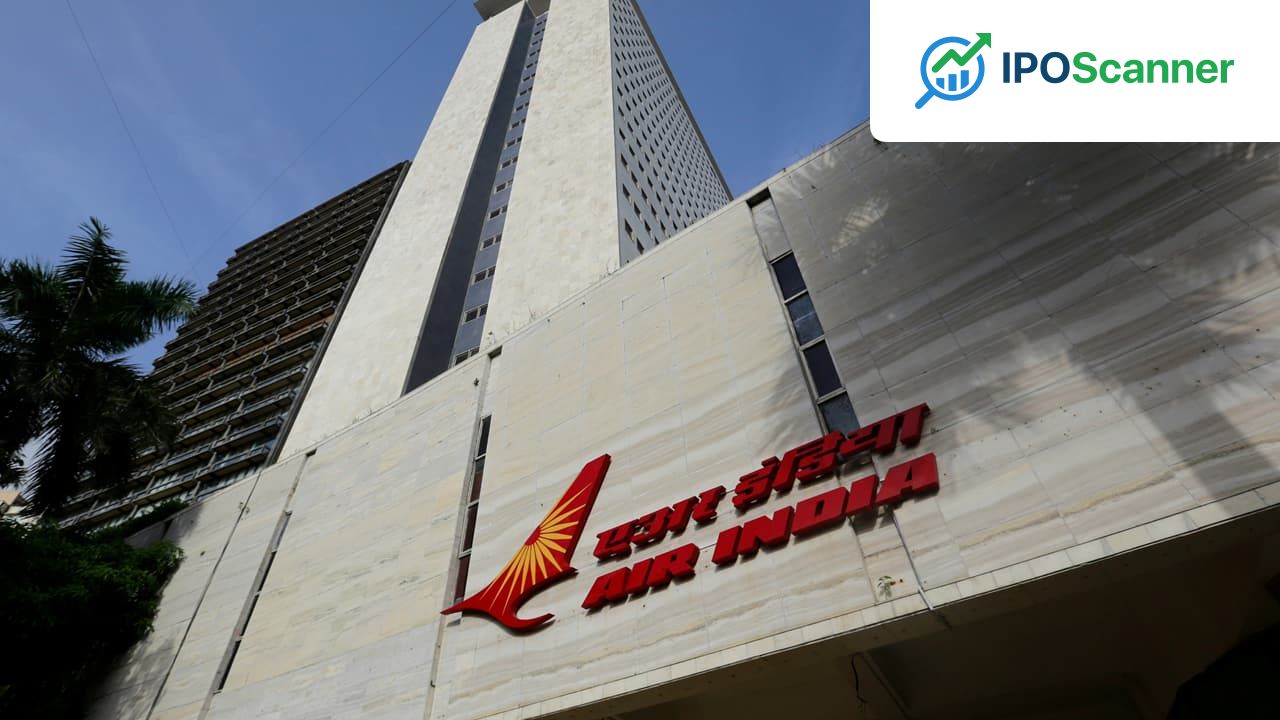
Air India Raises Concerns Over Potential Shift to Navi Mumbai Airport
Air India Expresses Concerns Over Relocation to Navi Mumbai International Airport
Air India has expressed hesitation in shifting a part of its operations from the existing Mumbai Airport to the new greenfield facility at Navi Mumbai. The airline cited concerns over additional costs and reduced efficiencies that would result from the relocation.
The aviation industry is facing unprecedented challenges due to the current geopolitical instability and the dramatic rise in jet fuel prices. Air India, which is owned by the Tata Group, has reviewed the proposal for determination of aeronautical tariffs for Navi Mumbai International Airport (NMIA) for the first control period, spanning from April 1, 2025, to March 31, 2030. In its submission to the airport tariff regulator Airports Economic Regulatory Authority of India (AERA), the airline expressed disagreement with the assumption of strong airline demand to shift operations to the Navi Mumbai International Airport.
The airline cited several reasons for its opposition, including the "significantly higher" aeronautical charges at the new facility compared to the existing Mumbai International Airport. Additionally, the airline stated that insufficient connectivity limits the traffic catchment, making it unlikely that passengers in the Mumbai Metropolitan Region will choose the new airport over the existing one. The airline also noted that the planned closure of Terminal 1, which operates only domestic flights, has been delayed and will be implemented in a phased manner.
Read also: Treasury Yields Experience Largest Increase in Two Weeks Following Release of Labor Market Data
Comparison of Landing Charges
| Airport | Domestic Landing Charges | International Landing Charges |
|---|---|---|
| Noida International Airport | 100% (base) | 100% (base) |
| Navi Mumbai International Airport | 184% (higher) | 213% (higher) |
The airline also pointed out that the landing charges at the Navi Mumbai International Airport could be 84% higher for domestic flights and 113% higher for international flights compared to the recently inaugurated greenfield Noida International Airport.
Despite its concerns, Air India has supported the airport's variable tariff plan, which offers incentives to airlines. The airline has, however, suggested that the incentives should be extended to three years instead of two years and should include domestic routes as well.
Read also: US-Iran Tensions Spark Uptick in Oil Prices Amid Global Market Decline
Investor Takeaway
Air India's concerns over shifting operations to Navi Mumbai Airport may impact the airline's operational costs and efficiency.
More in Market

Treasury Yields Experience Largest Increase in Two Weeks Following Release of Labor Market Data

US-Iran Tensions Spark Uptick in Oil Prices Amid Global Market Decline

Indian Stocks to Watch: BHEL, Agarwal Industrial, JBM Auto, Rajesh Exports, Indian Energy Exchange, Lenskart Solutions in Market Focus on June 4.