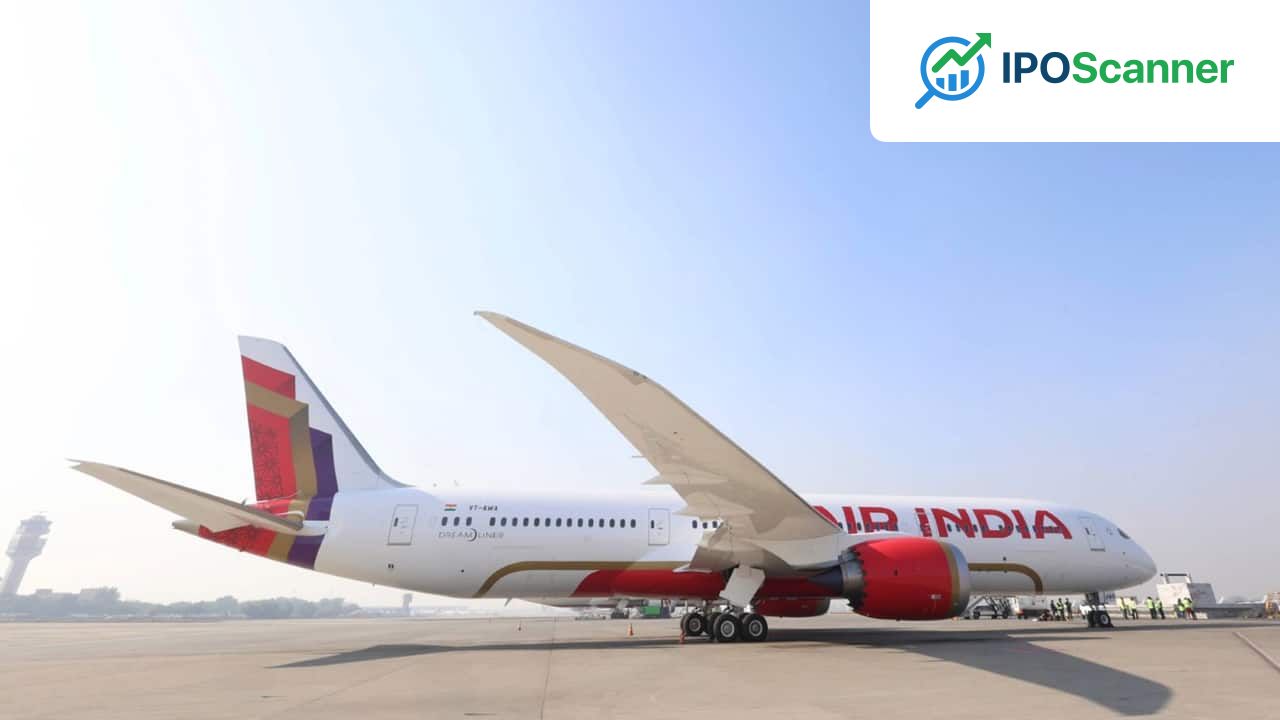
Air India Faces Rising Costs Amid Ongoing Middle East Conflict
Air India Group Faces Significant Disruptions and Financial Impact Due to Middle East Conflict
The Air India Group, which includes loss-making Air India and Air India Express, has been severely affected by the ongoing Middle East conflict. As of today, the airline can operate only around 30% of its normal Middle East schedule due to airport and airspace closures or safety concerns. Since the conflict started on February 28, 2,500 flights to the region have been canceled.
The airline's flights to the UK, Europe, and North America are also taking longer flight paths due to airspace restrictions, resulting in higher fuel consumption. The spot price of jet fuel has more than doubled, with most of the financial effect expected to hit the group from next month.
Given the economic uncertainties, Air India's CEO, Campbell Wilson, has cautioned that customers or companies may choose to stay put for a while, reducing demand. The airline has imposed fuel surcharges alongside other carriers, including IndiGo and Akasa Air, but Wilson warned that there is a limit to how high fares can be increased before demand drops.
Read also: Treasury Yields Experience Largest Increase in Two Weeks Following Release of Labor Market Data
Air India will continue to focus on safe operations and maintain tight control over non-urgent expenditure to mitigate the impact of rising costs. The airline may need to adjust its strategy depending on how fuel costs, airfares, and customer demand evolve.
Investor Takeaway
Investors should be cautious of Air India's financial performance due to the ongoing Middle East conflict.
More in Economy

Treasury Yields Experience Largest Increase in Two Weeks Following Release of Labor Market Data

US-Iran Tensions Spark Uptick in Oil Prices Amid Global Market Decline

MoSPI Releases Uniform Norms for DDP Estimates with 2022-23 Base Year

