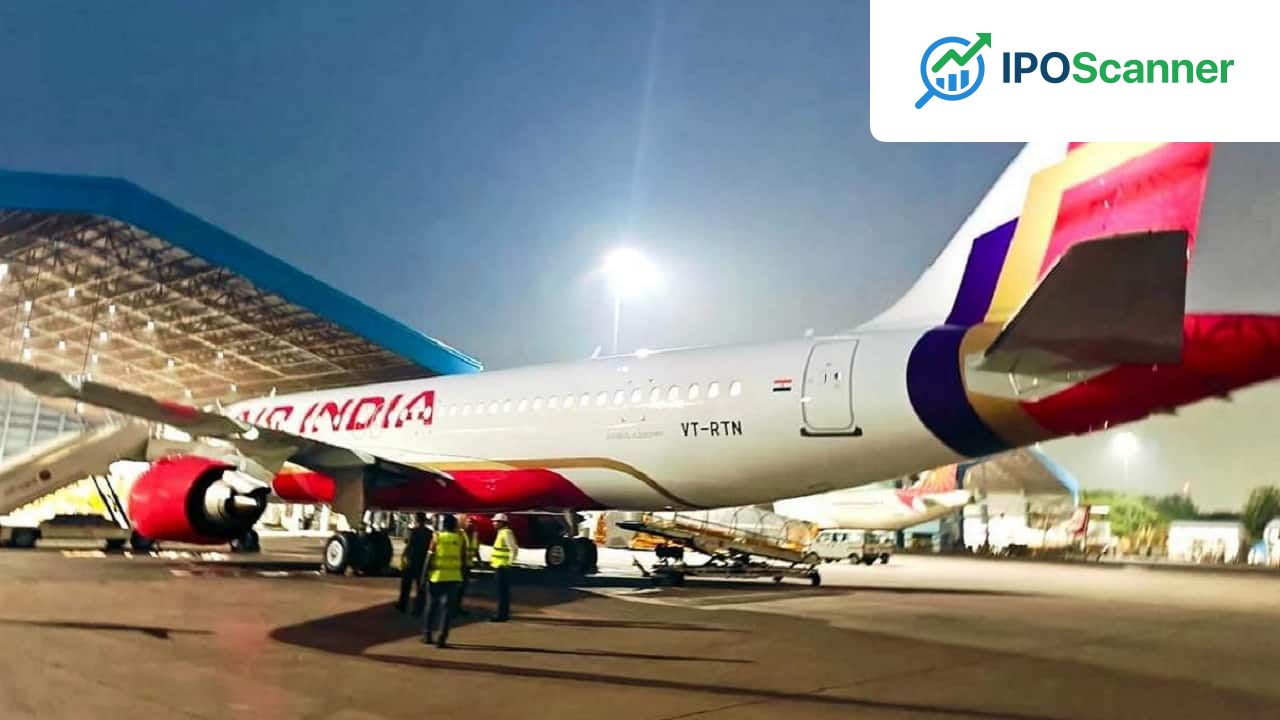
Air India Considers Retrofitting Plan to Address EASA Safety Concerns
Air India's Safety Ratings May Improve by End of 2026
Air India, owned by Tata Sons, is on track to induct nearly a dozen refurbished wide-body aircraft in the coming months, which will help address several safety-related issues flagged during European inspections. The airline's safety ratings with the European Union Aviation Safety Agency (EASA), which placed Air India under "elevated concern", may begin to improve before the end of 2026.
Retrofit Programme Progress
Air India's score with EASA has already decreased from 1.96 at the start of 2026 to 1.6 as of March 16. The airline's first retrofitted B787 will arrive in the next few weeks, and 10-12 such retrofitted aircraft will join the fleet throughout this year. By next year, 80-90% of the issues flagged during European inspections will be resolved.
Read also: Treasury Yields Experience Largest Increase in Two Weeks Following Release of Labor Market Data
Fleet Modernisation
Air India flies a mix of narrow and wide-body planes made by Airbus and Boeing. While the narrow body fleet comprises either completely new planes or retrofitted planes, the airline has quality and durability issues with its wide-bodies, including the Boeing 787 and the Boeing 777, which are the oldest in its fleet.
EASA Inspections
The EU aviation watchdog conducts Safety Assessment of Foreign Aircraft (SAFA) inspections, which are surprise ramp checks carried out when non-European airlines land at airports across the 27-member country bloc. These inspections verify whether aircraft operations comply with international safety standards set by the International Civil Aviation Organization (ICAO).
Read also: US-Iran Tensions Spark Uptick in Oil Prices Amid Global Market Decline
Rating System
Airlines are evaluated through a "findings per inspection" ratio:
- Below 1: strong compliance
- Around 1-1.5: moderate deficiencies
- Around 2 or higher: may trigger enhanced monitoring or operational restrictions
Differences in Regulatory Interpretation
Air India maintains that differences between European and Indian regulatory interpretations partly explain the higher findings. For instance, a broken passenger seat may not be classified as a safety issue by the Directorate General of Civil Aviation (DGCA) but could still be flagged in a European inspection.
Failure to Report Defects
Air India also acknowledged that some issues were not reported to EASA as required, which contributed to the elevated inspection ratio. The airline has since improved its reporting practices to comply with EASA regulations.
Comparison with Global Peers
Although Air India has managed to bring down its SAFA ratio, its score remains significantly higher than leading global carriers such as Lufthansa, Air France, Emirates, British Airways, and Singapore Airlines, whose inspection ratios typically range between 0.3 and 0.8.
Investor Takeaway
Investors should monitor Air India's progress in addressing safety concerns, which could positively impact the airline's ratings and operations.
More in Economy

Treasury Yields Experience Largest Increase in Two Weeks Following Release of Labor Market Data

US-Iran Tensions Spark Uptick in Oil Prices Amid Global Market Decline

MoSPI Releases Uniform Norms for DDP Estimates with 2022-23 Base Year

