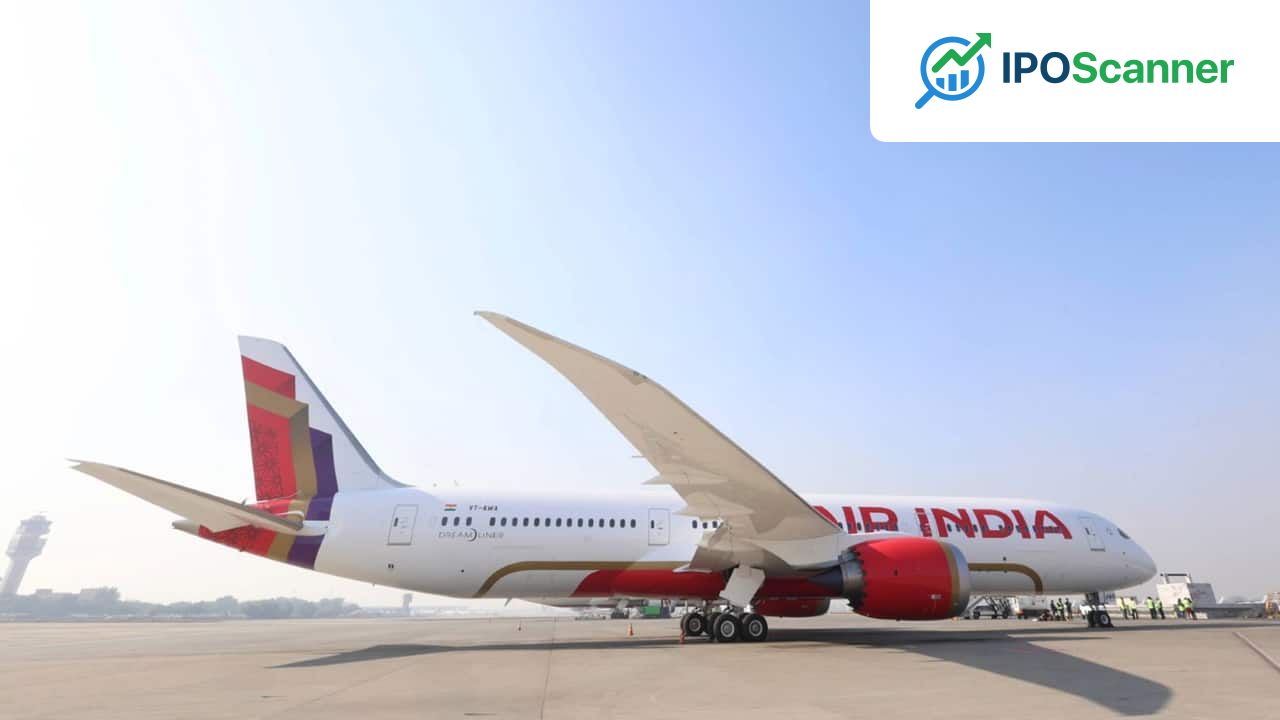
Air India Board to Discuss CEO Succession and Cost Cutting Measures on May 7
Air India to Discuss Cost-Saving Measures and Leadership Changes at Upcoming Board Meeting
Air India, the Tata Group-owned airline, is set to discuss cost-saving measures, leadership changes, and financial performance at its board meeting scheduled for May 7. According to a report by PTI citing sources, the airline is estimated to have incurred losses exceeding Rs 22,000 crore in the financial year ended March 2026, with challenges intensifying due to the ongoing West Asia conflict.
The board, chaired by N Chandrasekaran, will meet in Mumbai to deliberate on cost-cutting strategies, CEO succession plans, and financials for FY26, among other issues. As part of efforts to reduce costs amid rising jet fuel prices, the airline is considering unbundling meals from tickets and making lounge access optional for business class passengers. However, sources indicated that these measures are still under consideration and no final decision has been taken.
Airspace restrictions due to the West Asia conflict have forced longer international routes, increasing fuel consumption and operational costs. The board is also expected to take up the selection of a new CEO, as current chief Campbell Wilson is set to step down later this year. The airline, in which Singapore Airlines holds a 25.1 per cent stake, is evaluating multiple candidates, including internal executives and possible international contenders.
Read also: Treasury Yields Experience Largest Increase in Two Weeks Following Release of Labor Market Data
| Airline | Losses (Rs Crore) | FY26 |
|---|---|---|
| Air India | 22,000 | Incurred |
| IndiGo | Not disclosed | |
| SpiceJet | Not disclosed |
The airline may even consider appointing a joint MD or CEO. On May 1, Wilson highlighted the pressures facing the airline, stating that the massive rise in jet fuel prices, together with airspace closures and longer flying routes, has caused many of its international flights to become unprofitable to operate.
To partially compensate for the huge spike in costs, the airline has increased airfares and imposed fuel surcharges. However, these higher airfares impact customer demand, so the airline can only raise fares so far before people decide to stay home. Domestic operations have been impacted, though to a lesser extent due to limits on fuel price hikes.
On April 26, Air India, IndiGo, and SpiceJet informed the government that the aviation sector is under severe stress and on the verge of "stopping operations", seeking relief on jet fuel pricing and financial support. Jet fuel prices for international flights were increased by over 5 per cent on May 1, adding to cost pressures.
Read also: US-Iran Tensions Spark Uptick in Oil Prices Amid Global Market Decline
The strain is not limited to Indian carriers. Globally, airlines are grappling with similar challenges, with some opting for cost-cutting measures. US-based Spirit Airlines has already shut operations. International Air Transport Association chief Willie Walsh said on April 29 that there could be jet fuel shortages in Asia and Europe in the coming months, with rising costs increasingly reflected in ticket prices.
Investor Takeaway
Air India's financial struggles and potential cost-cutting measures may impact investor decisions.
More in Market

Treasury Yields Experience Largest Increase in Two Weeks Following Release of Labor Market Data

US-Iran Tensions Spark Uptick in Oil Prices Amid Global Market Decline

Indian Stocks to Watch: BHEL, Agarwal Industrial, JBM Auto, Rajesh Exports, Indian Energy Exchange, Lenskart Solutions in Market Focus on June 4.